

 |
| Health Eating Tips |
These eight pragmatic tips cover the rudiments of adhering to a good diet, and can enable you to settle on more beneficial decisions.
Healthy eating habits .....
- Construct your suppers with respect to boring starches
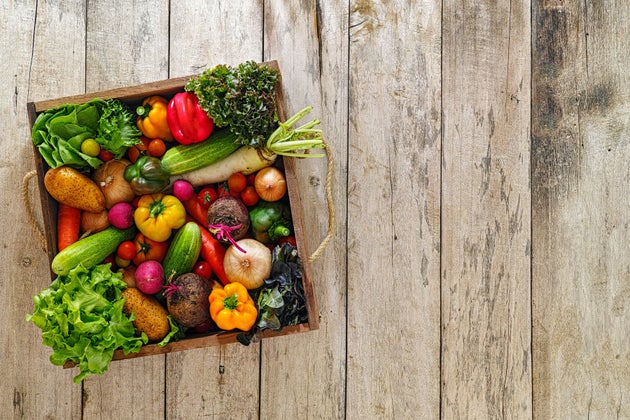
- Eat bunches of leafy foods
- Eat more fish – including a part of sleek fish
- Cut down on immersed fat and sugar
- Eat less salt – close to 6g a day for grown-ups
- Get dynamic and be a sound weight
- Try not to get parched
- Try not to skip breakfast
The Key to a Healthy Diet is To
- Eat the right amount of calories for how active you are, so that you balance the energy you consume with the energy you use. If you eat or drink too much, you'll put on weight. If you eat and drink too little, you'll lose weight.
- Eat a wide range of foods to ensure that you're getting a balanced diet and that your body is receiving all the nutrients it needs.
It is prescribed that men have around 2,500 calories every day (10,500 kilo joules). Ladies ought to have around 2,000 calories per day (8,400 kilo joules). Most grown-ups are eating a bigger number of calories than they require, and ought to eat less calories.
Base your Meals on Starchy Carbohydrate
t's recommended that we eat at least five portions of a variety of fruit and veg every day. It's easier than it sounds.
Why not chop a banana over your breakfast cereal, or swap your usual mid-morning snack for a piece of fresh fruit?
Unsweetened 100% fruit juice, vegetable juice and smoothies can only ever count as a maximum of one portion of your 5 A DAY. For example, if you have two glasses of fruit juice and a smoothie in one day, that still only counts as one portion.
Eat more fish – including a portion of oily fish
Fish is a good source of protein and contains many vitamins and minerals. Aim to eat at least two portions of fish a week, including at least one portion of oily fish. Oily fish contains omega-3 fats, which may help to prevent heart disease.
Oily fish include: ( Healthy eating habits )
- salmon
- mackerel
- trout
- herring
- fresh tuna
- sardines
- pilchards
Non-oily fish include:
- haddock
- plaice
- coley
- cod
- canned tuna
- skate
- hake
If you regularly eat a lot of fish, try to choose as wide a variety as possible.
You can choose from fresh, frozen and canned: but remember that canned and smoked fish can be high in salt.
Cut down on saturated fat and sugar
We as a whole need some fat in our eating routine, however it's vital to focus on the sum and kind of fat we're eating. There are two primary sorts of fat: soaked and unsaturated. An excess of soaked fat can build the measure of cholesterol in the blood, which expands your danger of creating coronary illness.
The normal man ought to have close to 30g soaked fat a day. The normal lady ought to have close to 20g immersed fat a day, and youngsters ought to have not as much as grown-ups.
Saturated fat is found in many foods, such as: (Health Tips )
- hard cheese
- cakes
- biscuits
- sausages
- cream
- butter
- lard
- pies.
Endeavor to eliminate your soaked fat admission, and pick nourishment that contain unsaturated fats rather, for example, vegetable oils, slick fish and avocados.
For a more advantageous decision, utilize only a little measure of vegetable oil or diminished fat spread rather than margarine, fat or ghee. When you're having meat, pick lean cuts and remove any obvious fat.
Sugar in our diet
Regularly consuming foods and drinks high in sugar increases your risk of obesity and tooth decay.
Sugary foods and drinks, including alcoholic drinks, are often high in energy (measured in kilojoules or calories), and if eaten too often, can contribute to weight gain. They can also cause tooth decay, especially if eaten between meals.
Many packaged foods and drinks contain surprisingly high amounts of free sugars. Free sugars are any sugars added to foods or drinks, or found naturally in honey, syrups and unsweetened fruit juices.
Cut down on:
- sugary fizzy drinks
- alcoholic drinks
- sugary breakfast cereals
- cakes
- biscuits
- pastries
These foods contain added sugars: this is the kind of sugar we should be cutting down on, rather than sugars that are found in things such as fruit and milk.
Food labels can help: use them to check how much sugar foods contain. More than 22.5g of total sugars per 100g means that the food is high in sugar, while 5g of total sugars or less per 100g means that the food is low in sugar.
Get tips on cutting down sugar in your diet.
Eat less salt – no more than 6g a day for adults
Eating too much salt can raise your blood pressure. People with high blood pressure are more likely to develop heart disease or have a stroke.
Even if you don’t add salt to your food, you may still be eating too much. About three-quarters of the salt we eat is already in the food we buy, such as breakfast cereals, soups, breads and sauces.
Use food labels to help you cut down. More than 1.5g of salt per 100g means the food is high in salt. Adults and children over 11 should eat no more than 6g of salt (about a teaspoonful) a day. Younger children should have even less.
Get dynamic and be a solid weight
Eating a solid, adjusted eating routine assumes a fundamental part in keeping up a sound weight, which is an imperative piece of general great wellbeing.
Being overweight or stout can prompt wellbeing conditions, for example, type 2 diabetes, certain malignancies, coronary illness and stroke. Being underweight could likewise influence your wellbeing.
Check whether you're a solid weight by utilizing our Healthy weight adding machine.
Most grown-ups need to get more fit, and need to eat less calories. In case you're endeavoring to get in shape, mean to eat less and be more dynamic. Eating a sound, adjusted eating routine will help: mean to eliminate sustenances that are high in immersed fat and sugar, and eat a lot of foods grown from the ground.
Keep in mind that liquor is likewise high in calories, so chopping down can help you to control your weight.
Physical action can help you to keep up weight reduction or be a solid weight. Being dynamic doesn't need to mean hours at the exercise center: you can discover approaches to fit greater movement into your every day life. For instance, have a go at getting off the transport one stop at an early stage the path home from work, and strolling.
Being physically dynamic may help lessen the danger of coronary illness, stroke and sort 2 diabetes. For more thoughts, see Get dynamic your way.
In the wake of getting dynamic, recall not to compensate yourself with a treat that is high in vitality. On the off chance that you feel hungry after movement, pick sustenance or beverages that are bring down in calories, yet at the same time filling.


No comments:
Post a Comment